
Fan Base Resonance
Description
A centrifugal induced draft fan was located in a structure with the fan and motor provided on a steel base that was installed as an isolated system from the steel deck on the structure with the base attached to the steel deck using isolation springs. The isolated system was reasonably designed with an isolation frequency of about 3 Hz (~ 1.09” sag on springs).

Figure 1 - Fan Layout
The general layout is shown in figure 1. The fan operates at a maximum speed of 1200 RPM with the design being a between bearing fan directly coupled to a variable speed induction motor. Vibration during operation was found to be dominant at 2xRPM when the fan was operating near maximum speed.
Field Assessment
The cause of elevated vibration at 2xRPM was due to carbon ring seal rubs on the outboard end of the fan as confirmed from previous repairs and diagnosis. The cause of the rubs was likely thermal deflection of the housing and/or pipe strain. Correcting the seal rub was the logical step to reduce vibration, but there was not a scheduled shutdown for the near future and vibration at 0.6 in/sec pk was not sustainable.
The fan system was previously evaluated using an ODS at 2xRPM and was also impacted with the fan down to confirm the natural frequencies. The ODS measurement showed that the 2xRPM vibration as detailed in figure 2 included twisting of the steel frame that supports the fan with the maximum vibration on the outboard end of the fan.
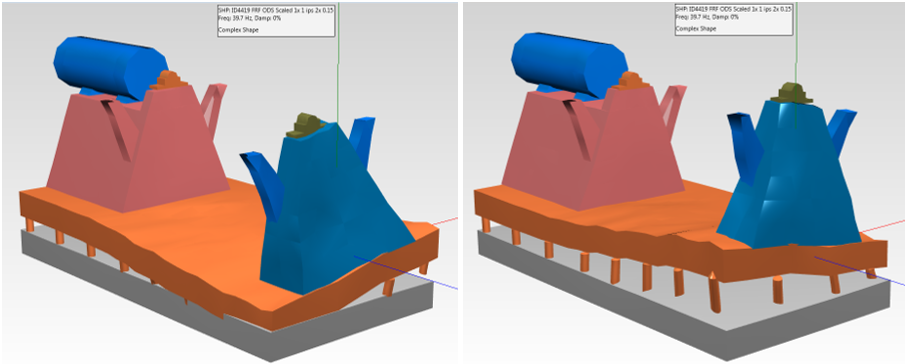
Figure 2 - 2xRPM (39.7 Hz) Vibration Shape
An impact test with the fan turned off was also conducted to confirm mounted natural frequencies.
Evaluation
The application of dampers on an isolated skid seems like an odd idea since it is often taught that transmitted forces will increase with added damping between the skid and the support. In this case, since the isolated system has a resonance, adding the damping reduces the response of the fan on the skid by about a factor of 4 while the added damping increases the transmission by a factor of about 2.9. In the end, the vibration of the fan is reduced by a factor of 4 AND the transmitted forces to the structural steel below the fan is reduced by 2.9/4 or about 28%.
Modification
The fan skid was modified by adding 2 Model B ZetaQuest dampers to each side of the skid on the outboard end. The arrangement for each damper is shown in figure 3. The chosen dampers were the largest that would fit in the available space, so two were added per side.

Figure 3 - Damper Layout
Modified Results
After the dampers were installed, the vibration at 2xRPM was reduced by about a factor of 4. No additional vibration was observed on the supporting steel and the fan was able to run to the next shutdown due to the significant reduction in vibration.